


Maximizing Success with Merchandising and Retail Sales Support
In the dynamic world of retail, creating a seamless shopping experience for customers is key to driving sales and fostering brand loyalty. Two critical components of achieving this are effective merchandising and robust retail sales support. These strategies go hand-in-hand to ensure products not only reach the shelves but also captivate and engage customers, ultimately translating into increased revenue.
The Role of Merchandising in Retail Success
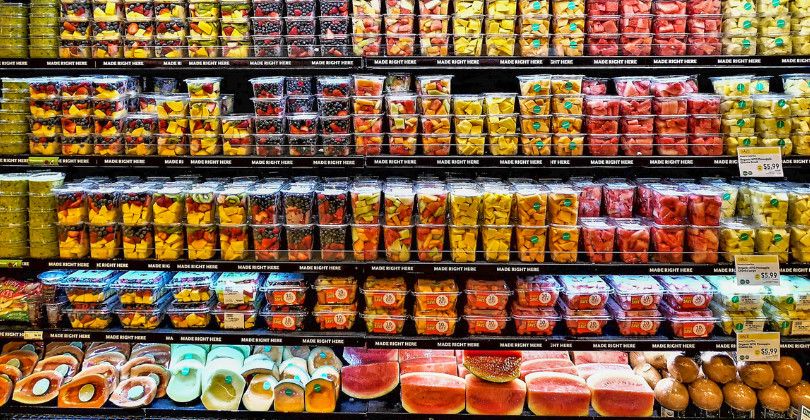
Merchandising is the art and science of presenting products in a way that attracts customers and encourages purchases. It goes beyond simply placing items on shelves; it’s about crafting a visual and psychological experience that resonates with shoppers.
Key elements of effective merchandising include:
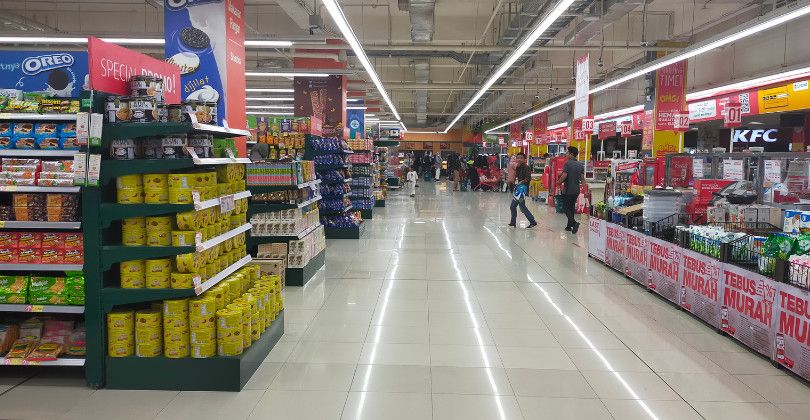
1. Strategic Product Placement: High-demand items should be placed at eye level or in high-traffic areas to maximize visibility and accessibility.
2. Seasonal Displays: Aligning displays with holidays or seasonal trends creates a sense of urgency and relevance for customers.
3. Attention to Detail: Clean, organized, and well-stocked shelves send a message of professionalism and care.
Merchandising doesn’t just influence individual purchase decisions—it plays a critical role in building a brand’s image. Shoppers are more likely to return to stores where products are thoughtfully displayed and easy to find.
Retail Sales Support: Empowering Success on the Frontline
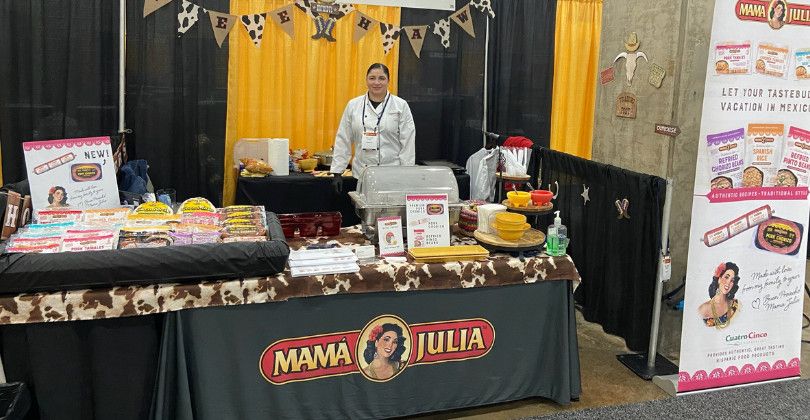
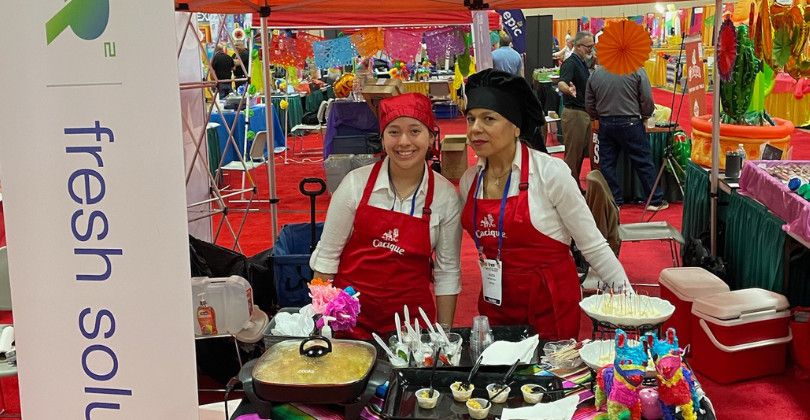
Retail sales support focuses on equipping teams with the tools and training they need to provide exceptional customer experiences. A knowledgeable and motivated sales staff is a retailer’s greatest asset, capable of turning browsing shoppers into loyal customers.
Core aspects of retail sales support include:
- Product Training: Sales associates should understand the features and benefits of the products they are selling. This builds confidence and allows them to answer customer questions effectively.
- Customer Engagement Skills: Staff who excel in communication and relationship-building can create memorable interactions that encourage repeat visits.
- Inventory Management: Proper stock tracking ensures popular items are always available, reducing missed sales opportunities.
By combining merchandising with strong retail sales support, businesses create a cohesive customer experience where every aspect of the shopping journey feels intentional and seamless.
The Benefits of Integrating Merchandising and Sales Support
When merchandising and retail sales support work together, the results can be transformative for businesses:
1. Improved Customer Satisfaction: Shoppers can easily find what they need while receiving top-tier service.
2. Increased Sales: Attractive displays paired with knowledgeable staff lead to higher conversion rates.
3. Brand Loyalty: A positive shopping experience fosters trust and keeps customers coming back.
Adaptability: Businesses can respond quickly to market trends and customer preferences, staying competitive in a fast-paced environment.
Embracing the Future of Retail
As retail continues to evolve, so do the opportunities for innovation in merchandising and sales support. Digital tools, such as AI-powered analytics and interactive displays, are helping retailers refine their strategies and offer personalized shopping experiences.
By investing in both merchandising and retail sales support, businesses can create a strong foundation for success, ensuring their stores remain vibrant, engaging, and customer-focused. In an era where consumer expectations are higher than ever, these strategies are not just important—they are essential.


Comments are closed